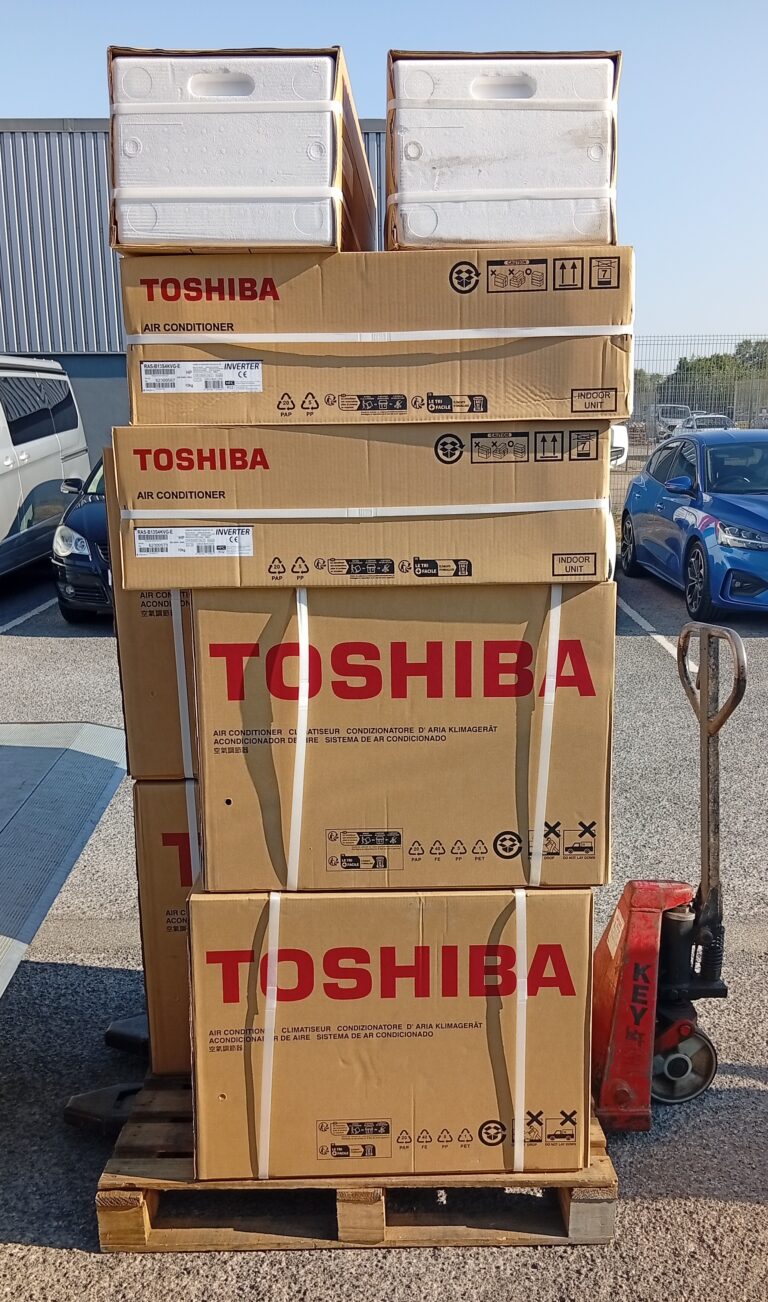

Split System Air Conditioning Installation Guide for Beginners
“Single split” simply means one indoor unit connected to one outdoor unit, designed to
control the temperature of one room or area.
What it is
A single split system consists of two main units:
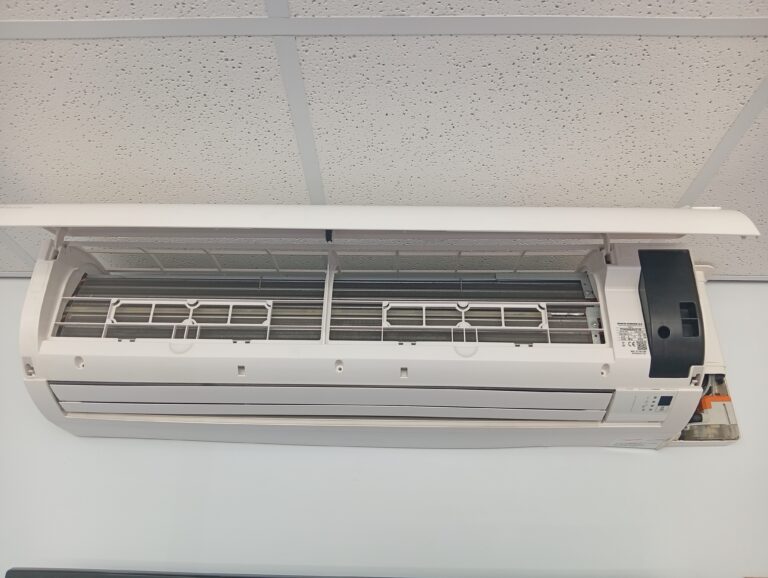
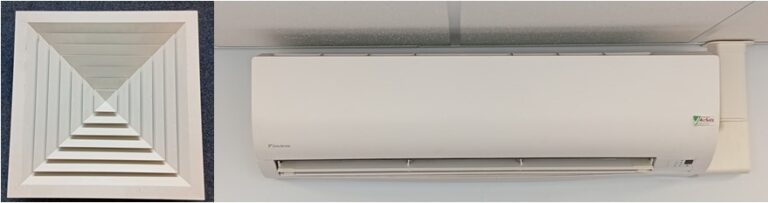
Indoor unit – mounted on a wall or ceiling, it heats or cools (Depending on what it is
set to) the area by blowing air into the room
Outdoor unit – contains the compressor and condenser, usually installed outside the
building, it is where the heat transfer takes place
These two units are connected by refrigerant pipework, power cables, and a drain line to
remove the moisture taken out of the air.
HEATING OR COOLING
What does “different power” mean?
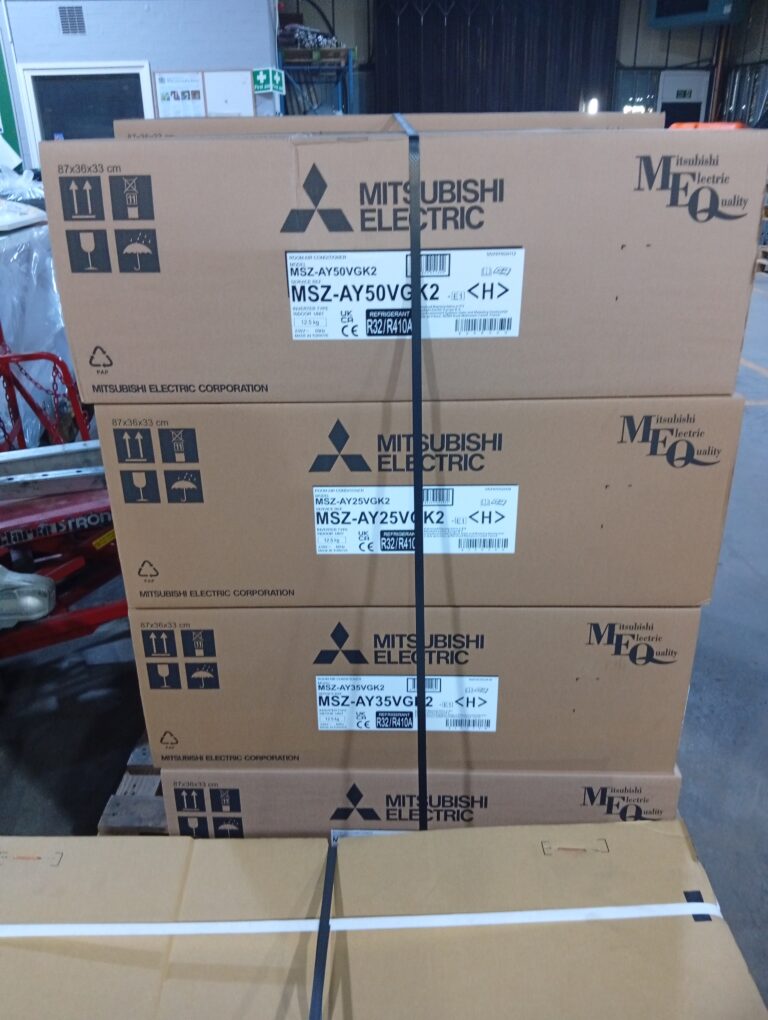
“Power” refers to the cooling (and heating) capacity of the system — essentially how strong
it is.
It’s usually measured in:
kW (kilowatts) in the UK
Or sometimes BTU (British Thermal Units)
Typical power sizes
Here’s a rough guide:
Room Type Typical Size System Power
Small bedroom / office up to ~15 m² 2.0 – 2.5 kW
Medium room 15–30 m² 2.5 – 3.5 kW
Large room / living room 30–50 m² 3.5 – 5.0 kW
Open plan / large areas 50 m²+ 5.0 – 7.0+ kW
Why power matters
Choosing the right power is important:
Too small → won’t cool the room properly
Too large → inefficient, higher running costs, and poor humidity control
Power selection depends on:
Room size and ceiling height
Number of people using the space
Heat sources (computers, equipment, sunlight)
Insulation and how often doors/windows open
Simple way to think of it
Single split = 1 room, 1 system
Power (kW) = how much cooling/heating it can deliver
Don’t worry our design engineers will advise on the system power required, ceiling or wall
units. The best place for the outside unit.
Understanding the Installation Process
Although split AC installation may appear straightforward from the outside, numerous
technical stages are involved.
Each step must be completed correctly to ensure safety, performance, and warranty
compliance.
The typical installation process includes:
- Site survey
- Installation planning
- Indoor unit mounting
- Outdoor condenser placement
- Drilling a core hole
- Pipe routing
- Electrical cabling
- Refrigerant line installation
- Vacuuming refrigerant lines
- Pressure testing
- Leak testing
- Refrigerant charging
- System startup
- Operational testing
- Final commissioning