Best Air Conditioning Systems for Retail Stores
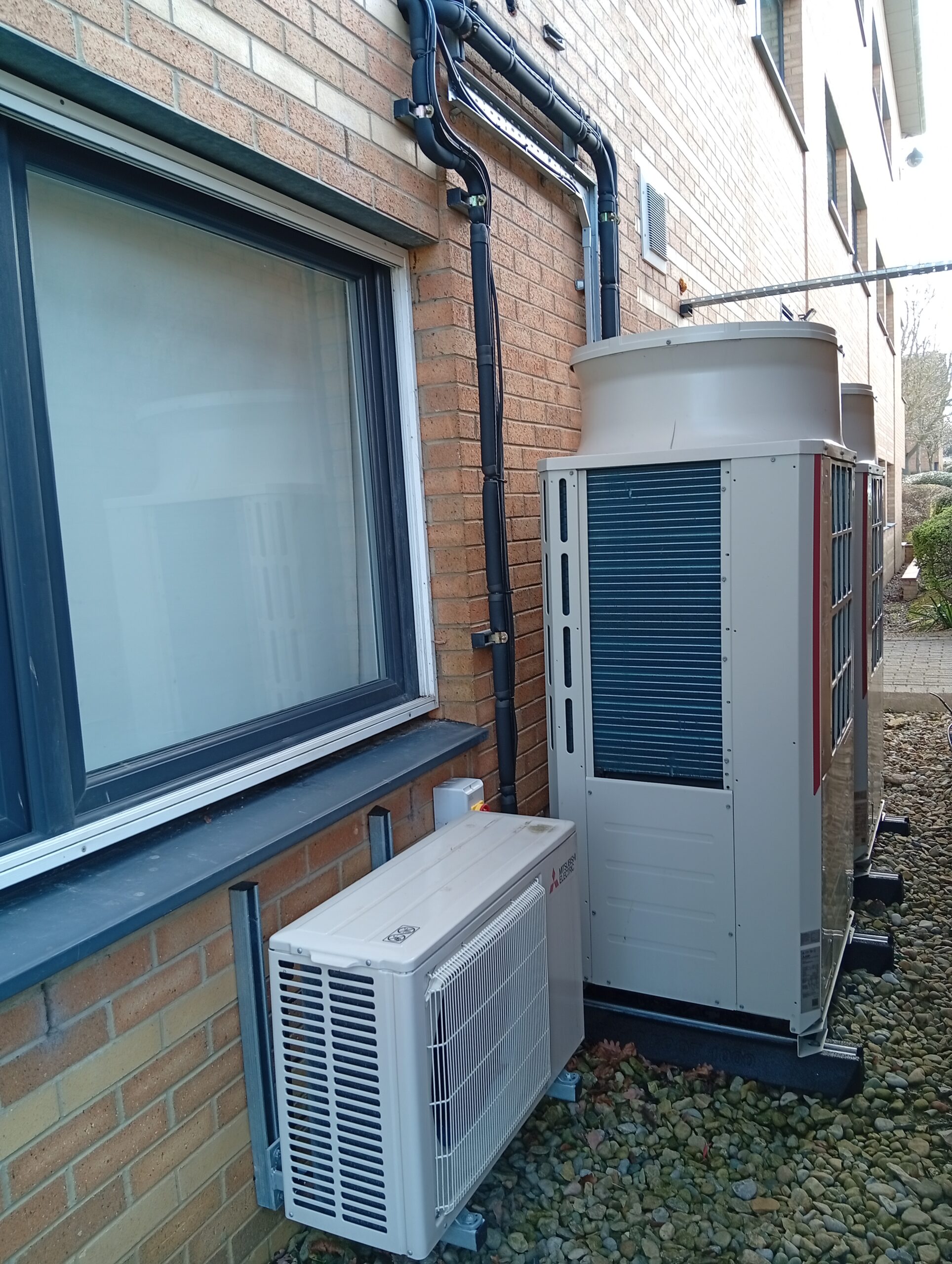
A well-designed commercial air conditioning system does much more than keep a shop cool. These are air source heat pumps (air to air) so can heat as well as cool! It helps create a comfortable shopping environment with a stable ambient temperature, protects temperature-sensitive products, improves indoor air quality, reduces energy costs, and supports employee productivity throughout the year. Whether you’re operating a boutique, supermarket, showroom or department store, selecting the right commercial HVAC system depends on your floor space, occupancy levels, layout, cooling requirements and long-term operating costs. This guide explores the different types of air conditioning systems available, explains how to choose the right solution for your retail premises, and highlights the features that deliver the greatest return on investment while maintaining customer comfort and energy efficiency.
Best Air Conditioning Systems for Retail Stores: A Complete Commercial HVAC Guide
Walk into any successful retail store and you’ll notice something that often goes completely unnoticed—comfortable temperatures.
Customers linger longer, employees remain productive throughout the day, and products stay in optimal condition. Behind all of this is a carefully designed commercial air conditioning system that’s tailored specifically to the building’s requirements rather than simply heating/cooling the space.
Whether you’re running a boutique clothing store, pharmacy, supermarket, convenience store, shopping centre unit or luxury showroom, choosing the right air conditioning for shops is about far more than buying the biggest unit available. Modern commercial HVAC systems combine intelligent climate control, energy-efficient technology and smart monitoring to create an environment that’s comfortable all year round while keeping operating costs under control.
As energy prices continue to rise, businesses are also looking beyond simple cooling performance. Today’s energy-efficient air conditioning solutions offer heating, cooling, humidity control, advanced air filtration and smart controls within a single system, making them one of the most valuable investments for commercial premises.
If you’re considering upgrading your existing installation or planning a new retail fit-out, working with experienced specialists such as Aircon Group ensures your system is correctly sized, professionally installed and designed for maximum operational efficiency.
Why Climate Control Matters in Retail Stores
Many retailers underestimate just how much influence temperature has on customer behaviour.
Numerous studies have shown that shoppers are more likely to remain inside a store when the environment feels comfortable. Even small improvements in indoor comfort can increase customer dwell time, encourage additional browsing and ultimately lead to higher sales.
Effective retail climate control delivers benefits far beyond simple cooling.
Benefits include:
- Improved customer comfort
- Better staff comfort and employee productivity
- Consistent temperatures throughout the shop floor
- Enhanced indoor air quality
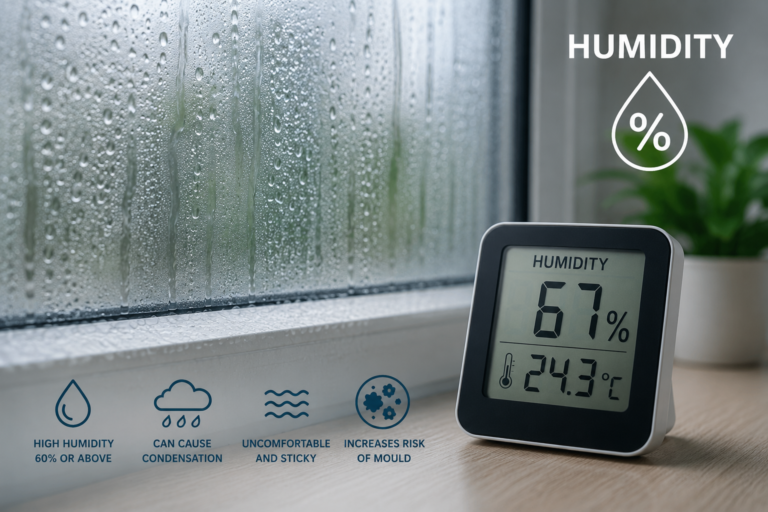
- Reduced humidity and condensation
- Protection for temperature-sensitive stock
- Lower energy consumption
- Reduced long-term operating costs
- Comfortable conditions throughout every season
Retailers also face unique challenges that many offices don’t.
Large glazed shop fronts generate significant solar heat gain during warmer months, while automatic entrance doors allow conditioned air to escape continuously. Combined with lighting, refrigeration equipment, electronic displays and high customer footfall, these factors place considerable demand on commercial cooling systems.
A properly designed commercial heating and cooling system accounts for all of these variables through accurate load calculation, HVAC sizing and airflow balancing.
The cheapest air conditioning system is rarely the most economical over its lifetime. Correct sizing and efficient operation almost always deliver a lower total cost of ownership.
Understanding the Cooling Requirements of Different Retail Environments
No two retail spaces are identical.
The ideal system for a high street boutique may be entirely unsuitable for a large supermarket or multi-floor department store.
When selecting the most appropriate commercial air conditioner, installers evaluate several important factors.
Property Size
Larger retail stores generally require greater cooling capacity and may benefit from ducted commercial air conditioners or VRF systems that can distribute conditioned air evenly throughout the building.
Customer Footfall
Stores experiencing heavy daily traffic generate more body heat, requiring greater airflow and responsive temperature control.
Examples include:
- Supermarkets
- Shopping centres
- Department stores
- Convenience stores
- Hospitality venues
Store Layout
Open-plan stores often suit different HVAC systems than retailers with multiple fitting rooms, storage areas and staff facilities.
Factors include:
- Ceiling height
- Window area
- Internal partitions
- Product displays
- Lighting density
- Heat-producing equipment
Product Protection
Many retailers also need stable temperatures to protect merchandise.
Examples include:
- Electronics
- Cosmetics
- Pharmaceuticals
- Food products
- Luxury goods
- Chocolate bars
- Wines
- Flowers
Maintaining consistent humidity control and air circulation helps preserve product quality while creating a healthier indoor environment for customers and employees alike.
The Main Types of Commercial Air Conditioning Systems
Choosing between different air conditioning systems can initially seem overwhelming, but each solution is designed for particular applications.
Understanding how each works makes the selection process considerably easier.
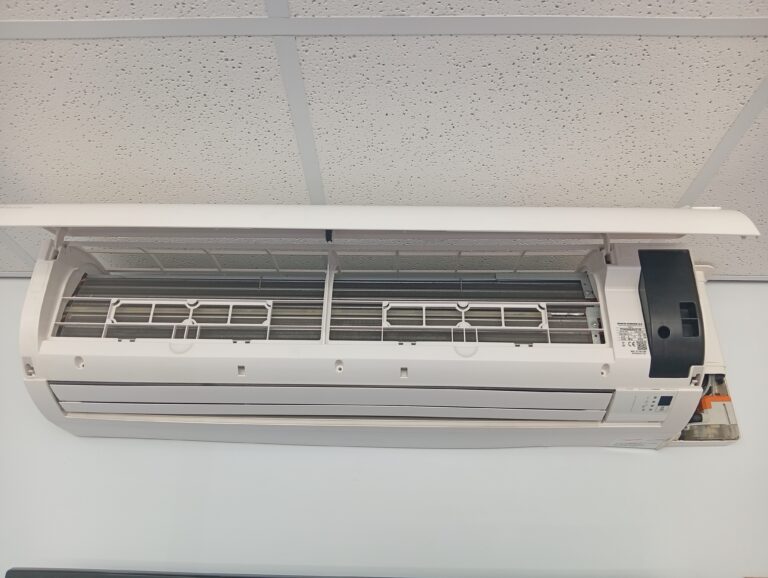
Wall Mounted Air Conditioning
Wall mounted split systems remain one of the most popular choices for smaller retail outlets.
They are particularly well suited to:
- Independent retailers
- Dentists
- Small offices
- Salons
- Pharmacies
- Small boutiques
- Convenience stores
Advantages include:
- Relatively quick installation
- Excellent energy efficiency
- Quiet operation
- Smart thermostat compatibility
- WiFi control
- Lower installation costs
- Modern inverter technology
For many smaller businesses, wall-mounted units offer an excellent balance between affordability and heating/cooling performance.
Ceiling Cassette Air Conditioning
Where wall space is limited, ceiling cassette air conditioning provides discreet yet powerful climate control.
Installed within suspended ceilings, these systems distribute conditioned air evenly in four directions, making them ideal for:
- Fashion retailers
- Showrooms
- Retail outlets
- Medium-sized commercial premises
- Open-plan shop floors
Benefits include:
- Uniform airflow
- Improved air distribution
- Minimal visual impact
- Quiet operation
- Individual zone control
- Professional appearance
Because the unit sits above the occupied area, ceiling cassette systems also reduce draughts while maintaining consistent temperatures throughout the shopping environment. Including the centre of the area.
Split System Air Conditioning
Split system air conditioning remains one of the most versatile commercial cooling solutions available.
A typical installation consists of an indoor unit connected to an outdoor condenser, delivering highly efficient heating and cooling with low energy consumption.
Modern split systems now include features such as:
- Smart HVAC controls
- Remote monitoring
- Programmable thermostat settings
- Occupancy sensors
- High-performance air filtration
- R32 refrigerant for improved refrigerant efficiency
- Excellent SEER ratings
For retailers seeking dependable year-round comfort, split systems continue to represent one of the strongest returns on investment.
Multi Split Air Conditioning Systems
As retail premises grow in size or complexity, a single indoor unit may no longer provide sufficient coverage. That’s where multi split air conditioning becomes an attractive solution.
A multi split system connects several indoor units to one outdoor condenser, allowing different areas of a shop to maintain independent temperatures while reducing the amount of external equipment required.
This makes them particularly suitable for:
- Larger boutiques
- Retail units with multiple fitting rooms
- Pharmacies
- Multi-room showrooms
- Stores with offices and staff areas
Key advantages include:
- Individual zone control
- Reduced external wall clutter
- Excellent energy management
- Lower noise levels outdoors
- Flexible installation options
- Improved operational efficiency
Retailers can cool customer-facing areas during opening hours while adjusting temperatures in offices or stockrooms independently, reducing unnecessary energy consumption.
Ducted Air Conditioning for Larger Retail Spaces
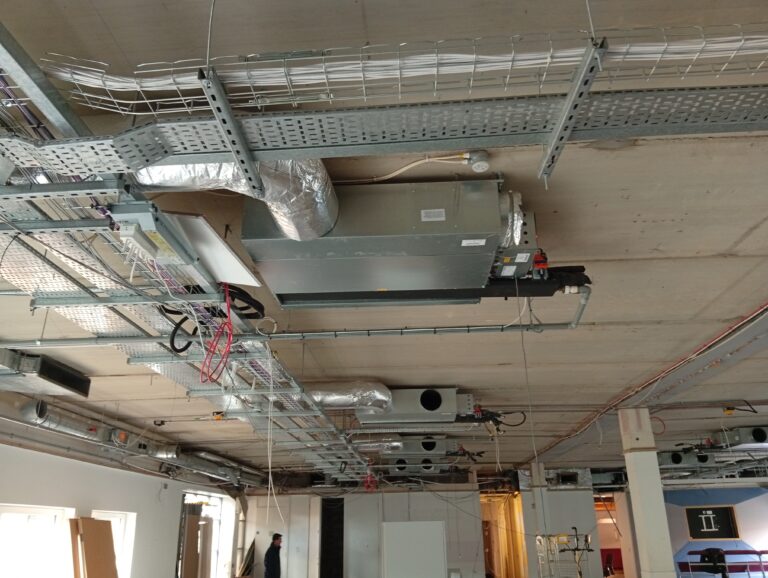
For retailers seeking an almost invisible solution, ducted air conditioning offers one of the most sophisticated commercial HVAC options available.
Rather than mounting indoor units on walls or ceilings, conditioned air travels through concealed ductwork before entering the retail environment through discreet ceiling grilles.
This provides an exceptionally clean finish while delivering even temperatures throughout the building.
Ducted commercial air conditioners are commonly installed in:
- Department stores
- Premium retail outlets
- Shopping centres
- Luxury boutiques
- High-end showrooms
- Large commercial buildings
Some of the biggest advantages include:
- Hidden installation
- Even air circulation
- Quiet operation
- Excellent indoor air quality
- Flexible zoning
- Consistent airflow
- Professional appearance
Although installation costs are typically higher than split systems, ducted installations often provide lower lifecycle costs for larger premises thanks to improved energy efficiency and better airflow balancing.
When integrated with a Building Management System (BMS), ducted systems can automatically adjust temperatures based on occupancy, trading hours and seasonal demand. Using a BMS means that temperatures can be controlled remotely, for instances car rental business with 30 offices. All offices can be controlled from head office, controlling energy usage and therefore costs.
VRF and VRV Systems for Multi-Zone Retail Environments
Retailers operating across several floors or multiple departments often require greater flexibility than traditional split systems can provide.
This is where VRF systems (Variable Refrigerant Flow) and VRV systems (Variable Refrigerant Volume) excel.
These advanced commercial HVAC systems continuously regulate refrigerant flow to each indoor unit, ensuring every zone receives precisely the amount of heating or cooling it requires.
Unlike conventional systems that operate at fixed capacities, VRF technology adjusts output in real time.
The result is:
- Exceptional energy savings
- Reduced operating costs
- Precise temperature control
- Simultaneous heating and cooling in different zones
- High-performance systems for complex retail layouts
Applications include:
- Shopping centres
- Large supermarkets
- Department stores
- Mixed-use commercial premises
- Retail parks
- Office blocks
Many modern VRF installations also support:
- Cloud monitoring
- AI climate control
- Predictive maintenance
- Smart HVAC controls
- Remote diagnostics
These technologies help facilities managers identify faults before they become major issues while optimising system performance throughout the year.
Floor Standing Air Conditioners
Not every commercial property is suitable for ceiling-mounted or wall-mounted equipment.
Where structural limitations exist, floor standing air conditioners provide an effective alternative.
They’re often selected for:
- Listed buildings
- Heritage retail units
- Temporary retail spaces
- Older commercial premises
- Areas with restricted ceiling access
Benefits include:
- Straightforward installation
- High cooling capacity
- Excellent airflow
- Easy maintenance access
- Reliable operation
While not as discreet as other commercial air conditioning systems, they remain an excellent solution where installation constraints limit other options.
Portable Air Conditioning: Is It Suitable for Shops?
Portable air conditioning units are often viewed as a quick solution during periods of hot weather.
However, for permanent retail applications, they’re rarely the most effective option.
Although portable systems may help cool:
- Pop-up shops
- Temporary exhibition spaces
- Seasonal kiosks
They generally have several limitations compared with professionally installed commercial systems.
These include:
- Higher running costs
- Lower cooling capacity
- Increased noise levels
- Reduced energy efficiency
- Less effective humidity control
For established retail businesses seeking dependable shop cooling, permanent commercial installations almost always provide greater long-term value.
Heat Pump Systems: Heating and Cooling from One Solution
Modern heat pump systems have become increasingly popular within commercial HVAC due to their ability to provide both heating and cooling from the same equipment.
Instead of generating heat directly, heat pumps transfer thermal energy between indoor and outdoor environments, significantly improving COP (Coefficient of Performance) and reducing energy consumption.
For retailers, this means:
- Comfort all year round
- Lower carbon footprint
- Reduced utility bills
- Sustainable cooling
- Eco-friendly HVAC performance
Combined with inverter technology, heat pump systems continuously adjust output to meet changing demand, avoiding the inefficiencies associated with older fixed-speed equipment.
Choosing the Right Commercial Air Conditioning System
There isn’t a single “best” system for every retailer.
Instead, the right solution depends on understanding how your building operates on a day-to-day basis.
Before recommending equipment, experienced engineers will normally assess:
Floor Area
The larger the premises, the greater the cooling capacity required.
Undersized systems struggle to maintain comfortable temperatures, while oversized equipment may cycle excessively, increasing wear and reducing efficiency.
Heat Gain
Cooling requirements aren’t determined by floor space alone.
Engineers evaluate:
- Solar gain through glazing
- Lighting systems
- Refrigeration equipment
- Customer occupancy
- Electrical appliances
- Building insulation
This information forms part of the load calculation, ensuring the selected HVAC system performs efficiently under peak demand.
Airflow Requirements
Effective climate control depends on more than simply reducing temperature.
Proper design considers:
- Ventilation rates
- Air distribution
- Fresh air supply
- Air circulation
- Humidity control
- Indoor air quality
Many retailers combine their cooling equipment with professionally designed commercial ventilation systems to create healthier, more comfortable indoor environments while complying with modern building standards.
Why Professional Installation Matters
Even the most advanced commercial air conditioner will underperform if it isn’t installed correctly.
Professional HVAC installation begins long before equipment arrives on site.
A comprehensive design process typically includes:
- Site survey
- Site assessment
- Heating/Cooling load calculation
- HVAC sizing
- Ductwork design (where applicable)
- Airflow balancing
- Equipment selection
- Bespoke installation planning
The goal is not simply to install equipment but to create a system that delivers consistent comfort with minimal business disruption during installation.
Professional installers also consider future maintenance access, energy management, and opportunities to expand the system as the business grows.
Smart Technology Is Transforming Commercial HVAC
Today’s commercial cooling solutions are significantly more intelligent than those installed even a decade ago.
Modern systems increasingly incorporate features such as:
- WiFi control
- Centralised control
- Remote monitoring
- Smart thermostats
- Programmable scheduling
- Occupancy sensors
- Demand-controlled ventilation
- Cloud-based diagnostics
These technologies improve retail energy management by automatically adjusting temperatures based on trading hours, occupancy and external weather conditions.
The result is a more consistent shopping experience, lower air conditioning running costs and improved return on investment.
Intelligent climate control isn’t simply about convenience. It allows retailers to reduce unnecessary energy consumption while maintaining ideal conditions for customers, employees and products.
Keeping Commercial Air Conditioning Systems Performing at Their Best
Installing a high-quality commercial air conditioning system is only the beginning. Like any mechanical equipment, ongoing maintenance is essential to ensure reliable operation, maximise energy efficiency and extend the lifespan of the system.
Without regular servicing, even the most advanced HVAC systems can experience reduced cooling performance, increased energy consumption and avoidable breakdowns.
A proactive maintenance programme typically includes:
- Preventative maintenance
- Planned maintenance
- Air conditioning servicing
- Filter replacement
- System inspection
- Airflow testing
- Refrigerant checks
- Electrical safety inspections
- Performance optimisation
Routine servicing also helps identify minor issues before they become expensive repairs, reducing the likelihood of unexpected downtime during busy trading periods.
For retailers, maintaining uninterrupted climate control is particularly important during seasonal peaks, when customer footfall and cooling demands are at their highest.
Businesses that also rely on temperature-controlled storage or chilled stock can benefit from integrating their cooling strategy with professional commercial refrigeration services, ensuring every aspect of their operation remains protected.
Improving Indoor Air Quality for Customers and Staff
Temperature is only one part of creating a comfortable retail environment.
Modern commercial HVAC systems also play an important role in improving indoor air quality by managing:
- Air filtration
- Fresh air supply
- Ventilation
- Air circulation
- Humidity control
- Air distribution
Cleaner indoor air contributes to a healthier indoor environment for both customers and employees while reducing airborne dust, allergens and pollutants.
This is particularly valuable in retail environments such as:
- Pharmacies
- Beauty retailers
- Fashion stores
- Electronics shops
- Food retailers
- High-footfall shopping centres
Combined with effective ventilation, well-maintained air conditioning systems help create a pleasant shopping experience that encourages customers to spend more time browsing.
Reducing Energy Costs Without Sacrificing Comfort
Energy efficiency has become one of the biggest priorities for retail businesses.
With rising utility prices, investing in high-performance systems can significantly reduce long-term operating costs while maintaining excellent customer comfort.
Some of the most effective ways to improve efficiency include:
- Selecting equipment with high SEER ratings
- Using inverter technology
- Installing smart HVAC controls
- Scheduling regular maintenance
- Correct HVAC sizing
- Improving building insulation
- Monitoring energy usage
- Optimising temperature settings
Retailers should also consider the system’s total cost of ownership rather than focusing solely on the initial installation cost.
Although premium systems often require a larger upfront investment, they frequently deliver:
- Lower running costs
- Reduced maintenance costs
- Improved reliability
- Longer service life
- Better return on investment
For many businesses, these long-term savings outweigh the initial purchase price.
Which HVAC Brands Are Commonly Used in Retail?
Across the commercial sector, several manufacturers have built strong reputations for reliability, innovation and energy efficiency.
Well-known names include:
- Mitsubishi Electric
- Panasonic
- Toshiba
- Fujitsu
Each manufacturer offers solutions designed for different property sizes, cooling capacities and budgets.
However, choosing the right equipment should never be based on brand name alone.
The quality of the design, installation and ongoing maintenance often has a greater impact on long-term performance than the manufacturer itself.
Common Mistakes When Choosing Air Conditioning for Shops
Selecting commercial air conditioning is a significant investment, and avoiding common mistakes can save considerable time and money.
Some of the most frequent issues include:
- Choosing a system based solely on purchase price.
- Installing equipment with insufficient cooling capacity.
- Oversizing the system, leading to inefficient cycling.
- Ignoring future expansion plans.
- Overlooking indoor air quality requirements.
- Failing to schedule regular maintenance.
- Choosing equipment without smart control capabilities.
- Not considering lifecycle cost and long-term energy savings.
Working with experienced commercial HVAC specialists helps ensure every stage of the project is carefully planned, from the initial site survey through to installation and ongoing aftercare. The Aircon Group has over 60 years experience.
Temporary Cooling Solutions for Planned Maintenance or Events
While permanent installations remain the preferred choice for most retailers, there are situations where temporary cooling or refrigerated storage may be required.
Examples include:
- Shop refurbishments
- Seasonal events
- Equipment breakdowns
- Temporary retail units
- Product launches
- Emergency business continuity planning
In these circumstances, businesses may also benefit from refrigerated trailer hire to protect temperature-sensitive stock while permanent systems are repaired or upgraded.
Having access to contingency solutions helps minimise disruption and maintain customer confidence during unexpected situations.
Frequently Asked Questions
What is the best type of air conditioning system for a retail store?
The ideal system depends on the size, layout and operational requirements of the premises. Smaller shops often benefit from wall-mounted or split systems, while larger retail environments may be better suited to ceiling cassette, ducted or VRF installations.
How often should commercial air conditioning be serviced?
Most commercial systems should undergo professional servicing at least once a year, but generally recommended twice annually. For regulations a leak test should be performed annually to check for leaking refrigerant gases. Although businesses with high daily usage often benefit from more frequent planned maintenance.
Can commercial air conditioning also provide heating?
Yes. Many modern heat pump systems provide highly efficient heating and cooling from the same installation, delivering comfortable conditions throughout every season.
Does air conditioning improve indoor air quality?
When correctly maintained, commercial air conditioning systems help improve indoor air quality through effective filtration, humidity control and air circulation. When combined with suitable ventilation, they create a healthier environment for customers and employees.
How can retailers reduce air conditioning running costs?
Choosing correctly sized equipment, using inverter technology, maintaining clean filters, scheduling regular servicing and using smart controls all help reduce energy consumption and improve overall efficiency.
Final Thoughts
Selecting the right commercial air conditioning system is about much more than simply cooling a building.
The best solution balances energy efficiency, customer comfort, employee wellbeing and long-term operational costs while providing reliable performance throughout the year.
Whether you’re fitting out a boutique, upgrading a supermarket, managing a showroom or planning a new retail development, investing in professionally designed commercial HVAC systems helps create a more comfortable shopping environment while protecting your business for years to come.
From accurate cooling load calculations and bespoke installation to preventative maintenance and future expansion planning, every stage of the process contributes to achieving dependable, cost-effective climate control.
By taking a long-term approach and choosing solutions that prioritise performance, sustainability and operational efficiency, retailers can create welcoming spaces that enhance the customer experience, support staff productivity and deliver measurable value well beyond the initial installation.