Cold Weather & Your HVAC Systems: What January Can Teach Us
January often brings the coldest conditions of the year, and while we may wrap up warm, our HVAC, refrigeration, and heating air conditioning systems are working harder than ever behind the scenes.
Cold weather doesn’t just affect comfort; it can expose weaknesses in systems that haven’t been properly maintained or prepared. Understanding how winter conditions impact your equipment can help you avoid breakdowns, reduce energy costs, and stay compliant.
❄️ Why Cold Weather Puts Systems Under Pressure
During prolonged cold spells, systems operate for longer periods and at higher loads. This can lead to:
- Increased wear on compressors and fans
- Reduced efficiency and higher energy consumption
- Greater risk of component failure
- Temperature instability in refrigeration and cold storage
If a system hasn’t been serviced or optimised, these issues often surface when demand is at its highest.
🔧 Heating Systems: Reliability Is Key
Modern air conditioning and heat pump systems are highly efficient in winter, but only when they’re correctly maintained.
Common winter issues include:
- Incorrect heating settings
- Dirty filters restricting airflow
- Faulty sensors or controls
- Systems struggling to meet demand due to lack of servicing
Routine maintenance ensures your heating performs efficiently, keeps occupants comfortable, and avoids unexpected downtime during critical periods.
🧊 Refrigeration & Cold Storage in Winter
It’s a common misconception that refrigeration systems have an “easy time” in winter. In reality, fluctuating external temperatures can cause:
- Inconsistent internal temperatures
- Overworking compressors
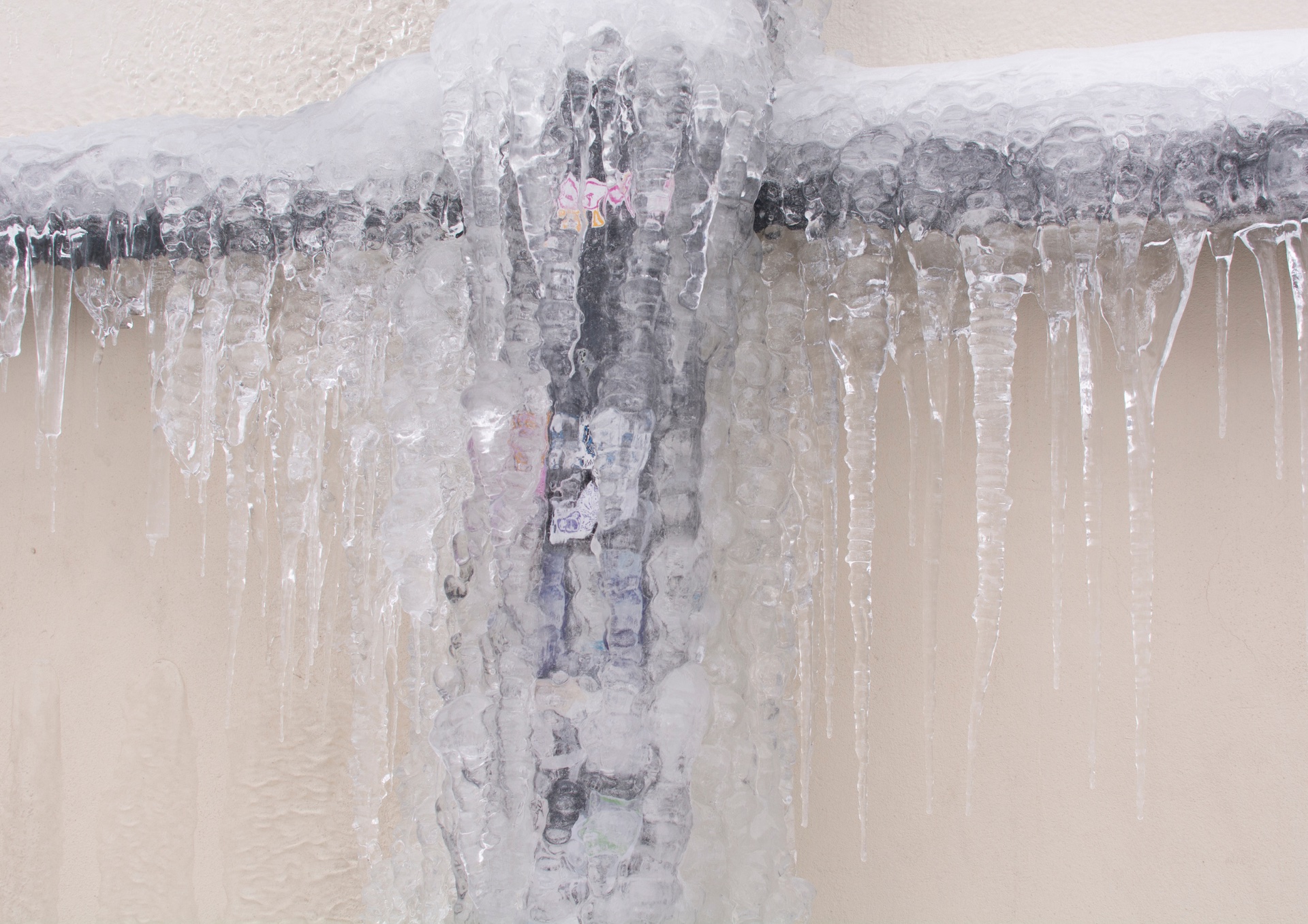
- Increased risk of icing or defrost issues
For businesses storing food, pharmaceuticals, or temperature-sensitive goods, even small variations can lead to waste, compliance concerns, or equipment damage.
✅ The Value of Planned Maintenance in January
January is the ideal time to review your maintenance strategy for the year ahead. Planned servicing helps you:
✔ Identify potential issues early
✔ Improve system efficiency
✔ Maintain compliance and documentation
✔ Reduce emergency callouts
✔ Extend equipment lifespan
At Aircon Group, we proactively manage maintenance schedules, carry out thorough servicing, clearly report findings, and support any remedial actions, taking the pressure off your team.
👷 How Aircon Group Can Support You This Winter
With decades of experience and a highly certified team, Aircon Group supports businesses across Yorkshire, the North East, and nationwide with:
- Air conditioning, and refrigeration maintenance
- Emergency callout support
- Energy efficiency advice
- Bespoke service plans tailored to your operation
Cold weather doesn’t have to mean disruption — with the right support, your systems can perform reliably all winter long.
🔹 Start the Year the Right Way
If January has highlighted concerns with your heating, refrigeration, or ventilation systems, now is the time to act.
How Does AC Produce 4x More Heating Duty Than Its Electrical Input?
When we think of air conditioning, we usually picture keeping cool in the summer. But modern systems — often referred to as heat pumps — are incredibly efficient at heating buildings, too.
In fact, many air conditioning systems can deliver up to four times more heating energy than the electricity they consume. But how is that possible? Let’s take a closer look at the science behind it.
⚙️ The Secret: Moving Heat, Not Making It
Traditional electric heaters work by converting electricity directly into heat. While this is simple and effective, it’s also limited — you’ll only ever get 1 kW of heat for every 1 kW of electricity used.
Air conditioning systems, however, work differently. They don’t create heat — they move it.
Here’s how:
- Compressor – The refrigerant is compressed, raising its pressure and temperature.
- Condenser – The refrigerant releases heat into the indoor space.
- Expansion Valve – The refrigerant pressure drops, reducing its temperature.
- Evaporator – The refrigerant absorbs heat from the outside air (yes, even when it’s cold!) and transfers it indoors.
Because this process uses energy to transfer heat rather than generate it, it can produce several times more heating energy than the electrical input required.
🔥 Understanding COP: The Coefficient of Performance
The efficiency of heating systems like these is measured using the Coefficient of Performance (COP).
- A COP of 1 means the system produces 1 kW of heating for every 1 kW of electricity used (like an electric heater).
- A COP of 4 means the system delivers 4 kW of heat for every 1 kW of power consumed.
That’s how air conditioning systems can achieve 4x more heating duty than their energy input — thanks to clever engineering and efficient energy transfer.
🌍 The Environmental and Cost Benefits
Because air conditioning systems (or heat pumps) are so efficient, they’re a great choice for both your wallet and the planet:
✅ Lower running costs – Less energy used = smaller bills.
✅ Reduced carbon footprint – Especially when powered by renewable electricity.
✅ Year-round comfort – One system for both heating and cooling.
✅ Future-proof technology – Supporting the UK’s transition to low-carbon heating.
👷 How Aircon Group Can Help
At Aircon Group, we specialise in the design, installation, and maintenance of high-performance air conditioning and heat pump systems.
Whether you’re managing a commercial office, retail space, hospital, or industrial facility, we’ll help you choose and maintain a system that keeps your building comfortable and energy-efficient all year round.
Our team can:
- Assess your site and energy needs
- Recommend the most efficient system
- Provide expert installation and maintenance
- Help you reduce your environmental impact
✅ Smarter Heating Starts Here
Air conditioning systems aren’t just for cooling — they’re one of the smartest ways to heat your building efficiently.
Get in touch with our team today to find out how you can benefit from this powerful, sustainable technology.